About Us

Mission

The Mission of the Chicago Sinfonietta is to serve as a national model for inclusiveness and innovation in classical music through the presentation of the highest quality orchestral concerts and related programs. The Chicago Sinfonietta aspires to remove the barriers to participation in, and appreciation of classical music through its educational and outreach programs that expose children and their families to classical music, and by providing professional development opportunities for young musicians and composers of diverse backgrounds enabling new, important voices to be heard. This will help America become a true cultural democracy, in which everyone can share fully in its cultural resources and in which all can contribute to its cultural richness.

The Chicago Sinfonietta Story

The year was 1987.  Orchestras across the country were doing well for the most part, though if you looked carefully enough you could already discern some of the challenges that would confront the field in the years to come and put some of our largest and most prestigious institutions at risk.   Most orchestras no longer reflected the communities in which they performed.  While a few people recognized that this was problematic, most orchestra leaders were content to continue along the same path that these institutions had followed for one hundred years or more.  Maestro Paul Freeman had a decidedly different vision of what an orchestra could, and should be.

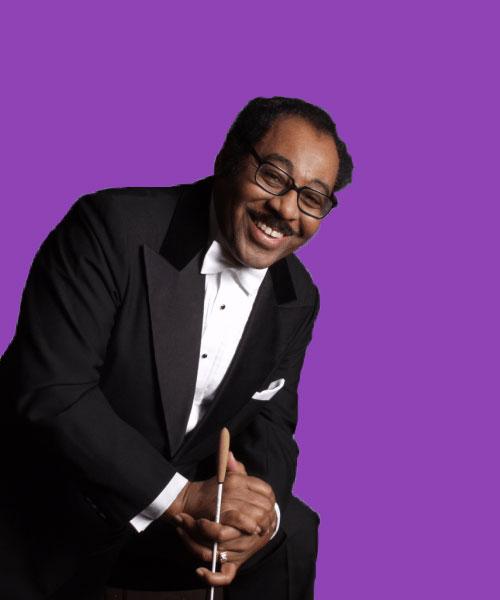
Paul had earned an international reputation through years of guest conducting all over the world and as Music Director of a number of orchestras in the US and Canada.  He was the first African American on the podium of over fifty orchestras worldwide and had a huge catalog of recordings to his credit. By the mid-1980s he concluded that the time was right for a mid-sized orchestra dedicated to promoting diversity, inclusion, and innovative programming, and luckily for all of us, he decided that Chicago was the right place to do this.

The Chicago Sinfonietta performed for the first time in October of 1987.  Concerts took place in River Forest at Rosary College and downtown at Orchestra Hall.  The Sinfonietta was a different type of orchestra from the very beginning.  The orchestra members, staff, board of directors, guest artists, and most importantly of all, the audience were of diverse backgrounds.  No one had ever seen anything quite like this in classical music.  And the music was different.  Yes, the Sinfonietta could, and did play the standards to great critical acclaim.  But under Paul’s leadership innovative concerts became a part of the Sinfonietta experience.

The rarely performed music by composers of color became a Sinfonietta staple, and introduced these symphonic gems to generations of concert-goers.  Through recordings like the three-volume African Heritage Series, these lost compositions entered the classical music mainstream and brought acclaim and attention to deserving but unrecognized composers.  Unusual instruments and musical styles like the bagpipes, steel drums, sitar, Indian Ghazal music, hip hop, and even the ubiquitous cell phone became the centerpieces for some of the most daring musical collaborations any orchestra was programming.  And partnerships with arts organizations and ensembles including the Luna Negra Dance Theater, the Apostolic Church of God Choir, the alternative rock group Poi Dog Pondering, and others significantly broadened the orchestra’s programming palette.

The Sinfonietta experience quickly caught on and the orchestra’s audience and support grew through its early seasons.  Due to Paul’s international reputation, European tours were booked resulting in six overseas trips during the first 17 years.  Other highlights included two triumphant performances at the Kennedy Center, the recording of fourteen albums and CDs, and a 2008 performance at Millennium Park attended by over 12,000 people.

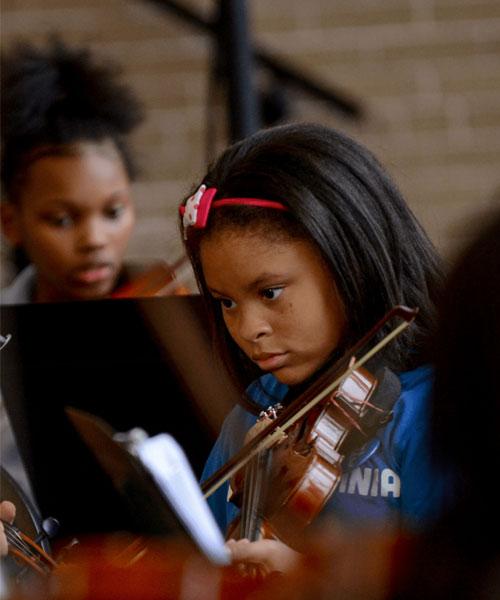
Paul’s passion for helping others and opening the doors of classical music to everyone was also expressed through the Sinfonietta’s educational and mentoring programs.  Thousands of public school students have, and continue to benefit from the organization’s Audience Matters and SEED programs that place Sinfonietta musicians in classrooms, thereby inspiring the next generation of musicians and composers.  The orchestra’s groundbreaking Project Inclusion program that provides two-year professional development fellowships to aspiring classical musicians from under-represented communities grew out of Paul’s life-long practice of mentoring and assisting young musicians.  One young musician Paul helped by giving his very first professional performance opportunity to has gone on to become the most recognizable figure in classical music, Yo Yo Ma.  Mr. Ma performed a concert in 2011 in honor of Paul and recognized the unique role he and the Chicago Sinfonietta have played in the development of the field.  Anthony McGill and Jeremy Jordan, two young and extremely talented African American musicians, performed with Yo Yo that evening.  The circle continues.

In 2009 Paul Freeman announced that he would retire at the end of the 2010-11 Season and the Sinfonietta began its first Music Director search.  The Board of Directors formed a selection committee and after a two-year, international search that began with over forty candidates and concluded with eight finalists performing podium auditions throughout the 2008-09 and 2009-2010 seasons, Mei-Ann Chen was unanimously selected as Paul Freeman’s successor.  In May of 2011 Paul publicly conducted the orchestra for the final time in a nationally broadcast concert, and in a particularly emotional moment, passed his baton to Mei-Ann at the conclusion of the performance.  A giant had left the stage, but his legacy lives on.

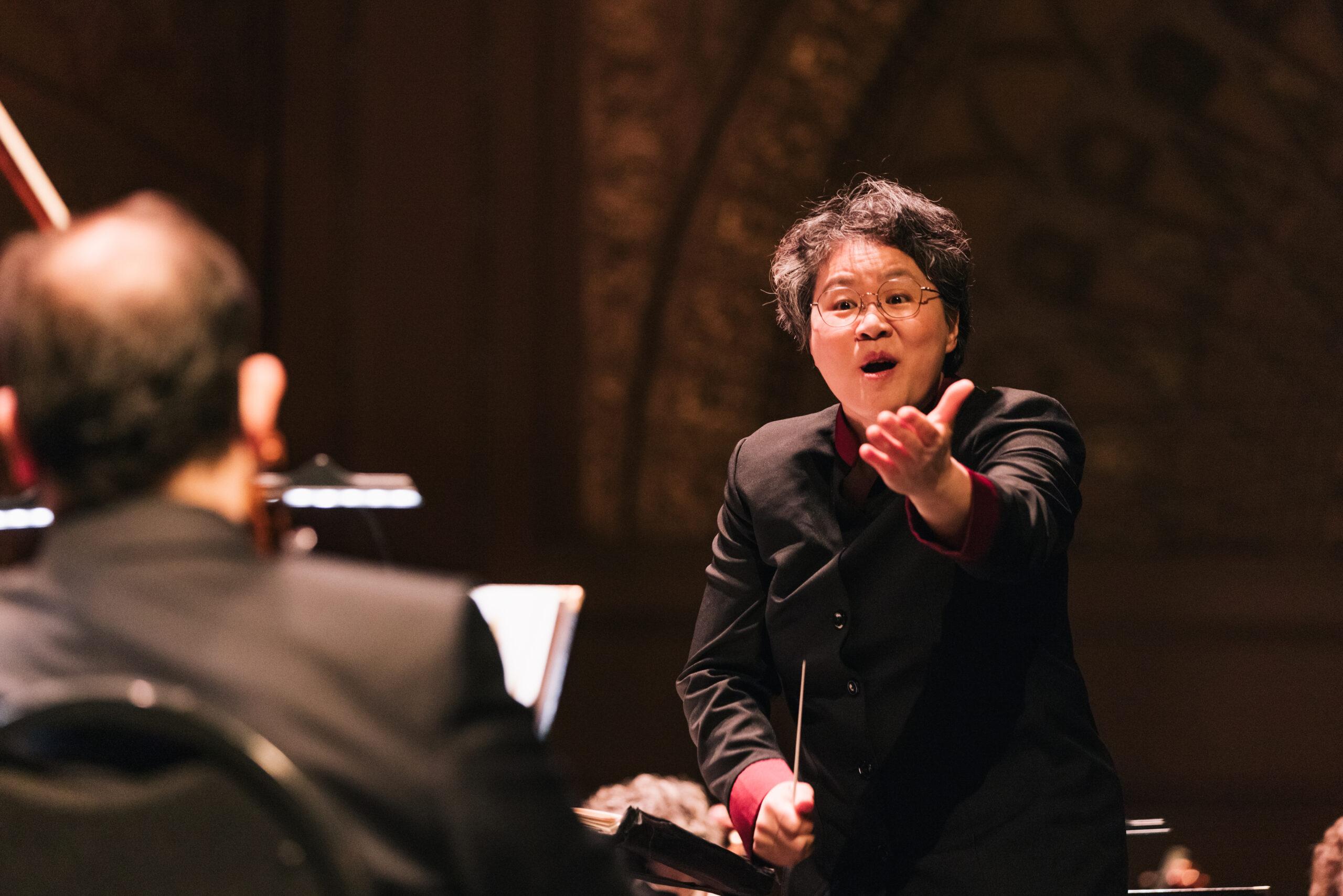
Mei-Ann Chen’s tenure began with a welcoming concert at Millennium Park attended by over 7,000 people.  Her inaugural season in 2011-2012 also coincided with the orchestra’s move from its long time west suburban home in River Forest to Wentz Concert Hall in Naperville.  The reviews and audience response for Maestro Chen’s debut have been extraordinary, and the season concluded with the orchestra’s first recording in ten years that will be released in 2013 on the Cedille label.  In addition to these accomplishments, the Chicago Sinfonietta was named by ASCAP and the League of American Orchestras as the recipient of the 2012 First Place Award for Adventurous Programming for Mei-Ann’s first season of concerts.  Her work was also recognized by the League by being chosen as the recipient of the 2012 Helen M. Thompson Award that recognizes early career music directors who show exceptional musical leadership and commitment to organizational vitality.

As the Chicago Sinfonietta begins the next twenty-five years of presenting one-of-a-kind concerts, inspiring young students to pursue music as a life-long passion or career, and serving as the model for diversity, inclusion and innovation, it is clear that Paul Freeman’s dream of a special orchestra in Chicago has become a long lasting reality.